
Post-Reels is AffNova’s series about slots that are starting to behave like something else — games that push beyond traditional reels through unusual mechanics, characters, progression and ideas borrowed from video games.
In our Concrete Cowboys review, the grid became a playfield. In Chomplings, that playfield became something closer to a self-running ecosystem. Eldritch Dungeon turned the slot into a dungeon run.
Star Guardians by Evoplay goes further.
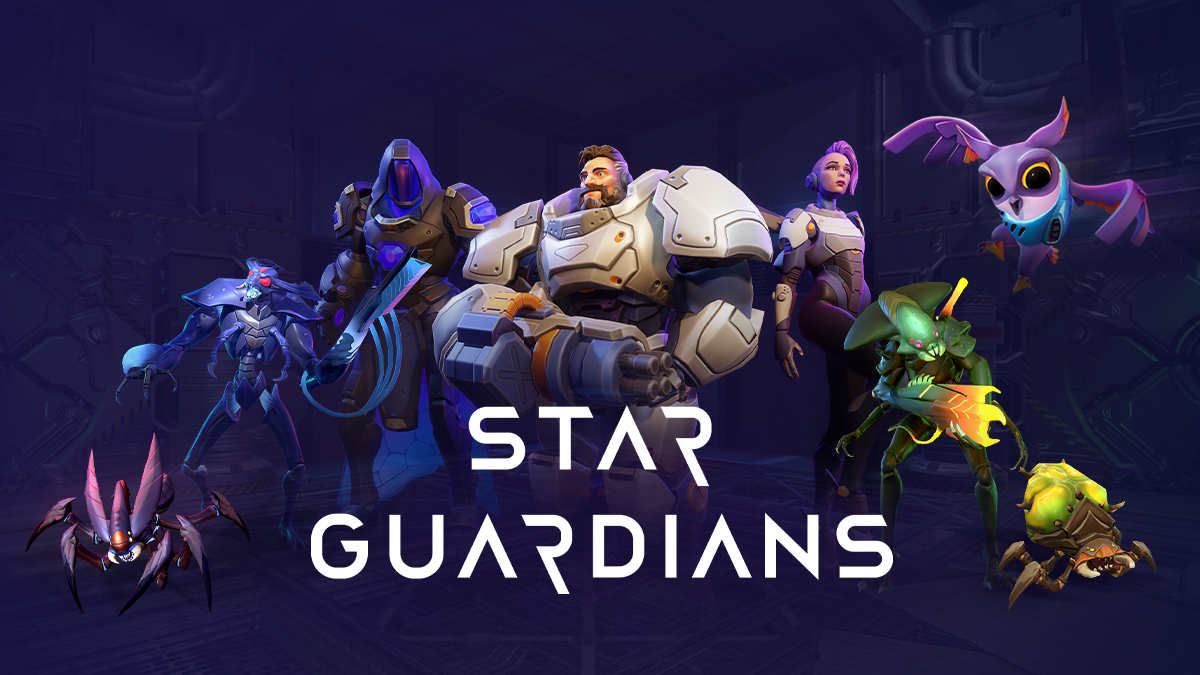
You choose a character. You walk through a 3D environment. You aim. You shoot. You hunt alien creatures, collect loot, open chests and eventually fight their Queen.
There isn't even a reel grid pretending to be a video game anymore.
The player has entered the game.
So perhaps this is the most obvious candidate yet for the question behind Post-Reels:
Is this still a slot?
Star Guardians: Quick Facts
Feature | Details |
Provider | Evoplay |
Release | October 2021 |
Game Type | 3D Slot / Third-Person Shooter |
RTP | 96.00% |
Hit Frequency | 56% |
Bonus Frequency | 1 in 113 |
Bet Range | €0.10–€75 |
Characters | Joe Butcher, Skyler, Keliot |
Main Mechanics | Manual Movement, Shooting, Loot, Chests, Boosters |
Observed Bonus Max | 5,029× |
Evoplay describes Star Guardians as the biggest-budget game in the company’s history at the time and, more importantly, as an industry-first third-person shooter slot with manual control of the player character.
The official game page lists a 96.00% RTP and presents the title as both a video slot and a third-person shooter. Star Guardians at Evoplay
When the Spin Button Gets WASD Controls
The most important thing about Star Guardians becomes obvious almost immediately:
you can move.
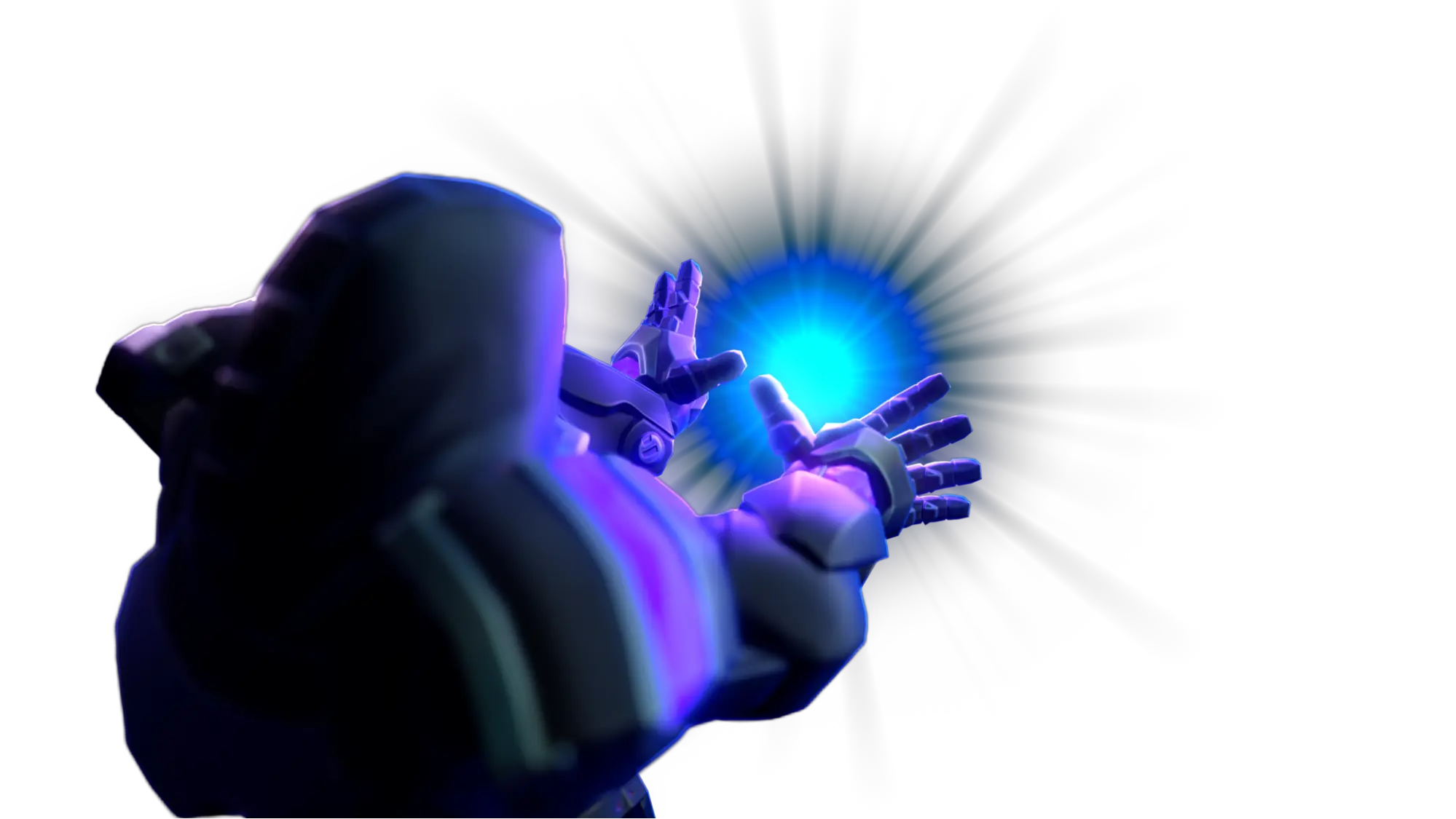
Manual Mode lets the player walk forwards, backwards, left and right while manually aiming and shooting at enemies. Evoplay explicitly built the feature around giving control of the hero to the player.
That sounds almost trivial in the context of conventional video games.
Inside a slot, it is radical.
Previous Post-Reels titles created increasingly game-like environments, but the player usually remained outside them.
Concrete Cowboys lets characters navigate a playfield — but you don't move them.
Chomplings creates autonomous creatures with different abilities — but they decide where they go.
Eldritch Dungeon presents battles — but the companion performs the combat.
Star Guardians finally hands you the controls.
You physically navigate the environment and pull the trigger yourself.
At that point, the traditional separation between watching a slot mechanic happen and playing a game mechanic begins to collapse.
What Makes Star Guardians Post-Reel?
It isn't simply the absence of reels.
Plenty of unusual gambling games have abandoned traditional reel layouts.
The important difference is input.
Your actions now resemble the basic vocabulary of a third-person shooter:
move → aim → shoot → explore → collect.
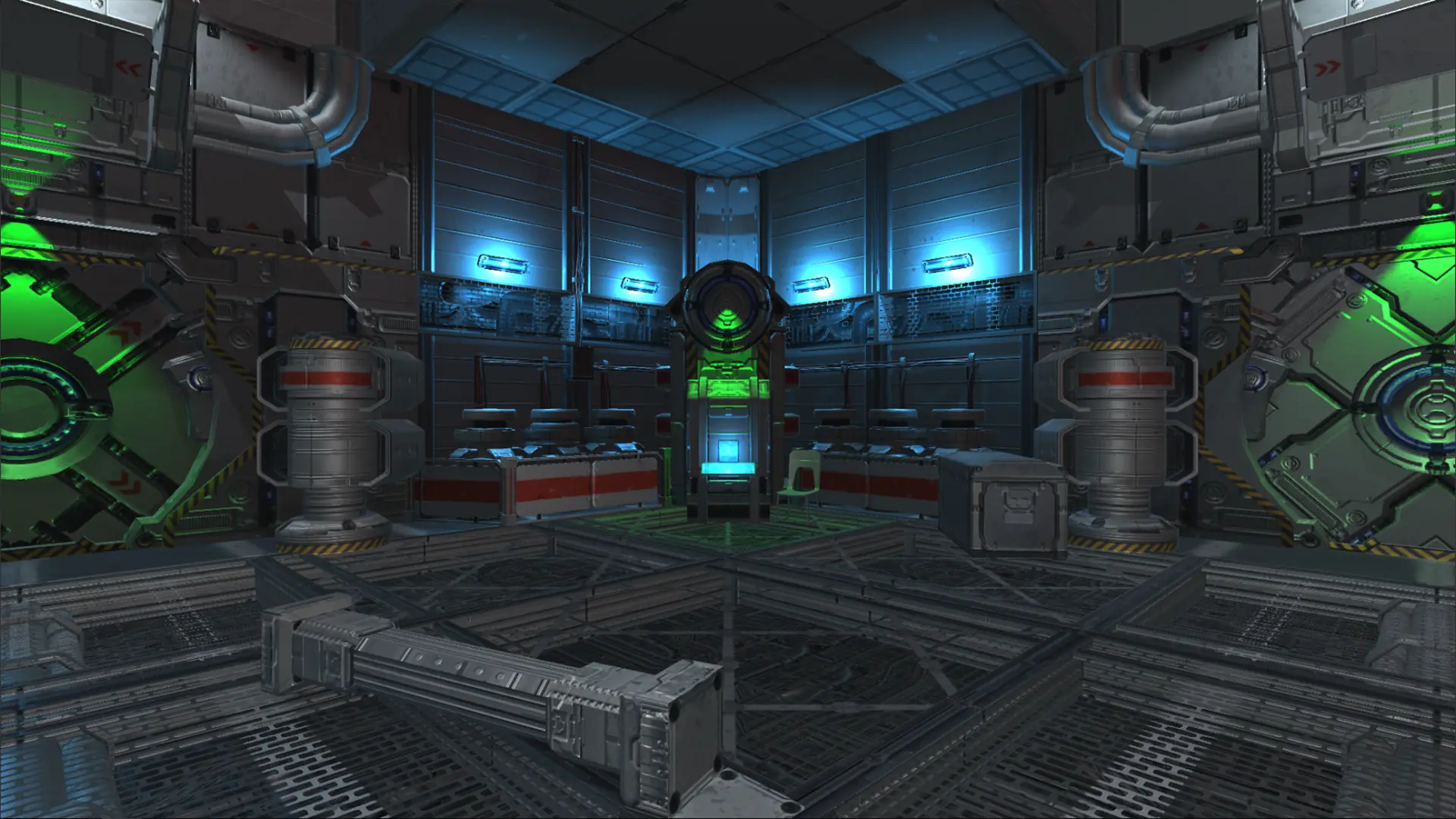
Enemies exist spatially around you rather than as symbols on a grid. Chests appear inside the environment. Loot has to be collected. Different opponents become targets rather than payout icons.
The interface increasingly asks the player to behave like someone playing an action game.
Evoplay was very deliberate about this. In a later retrospective on its own innovations, the studio described Star Guardians as a flagship project drawing directly from video games, combining manual control with narrative and individual character stories.
That broader investment matters.
Star Guardians wasn't treated as a strange one-off mechanic inside an ordinary slot catalogue.
Evoplay tried to build an actual game property around it.
Original — But Not Without Precedent
Star Guardians is highly unusual as a slot, but the broader idea of shooting targets to generate gambling wins was not completely new in 2021.
Fishing-shooting games had already been popular in Asian markets for years. Their roots lie in arcade-style machines where players actively aim at moving fish or other creatures, combining RNG gambling mechanics with shooter-like interaction. Industry coverage has long described the category as particularly established in Asia, where the entire screen functions as the game area rather than using traditional reels or paylines.
Modern providers such as TaDa Gaming have built major catalogues around this format. In TaDa’s fishing-shooting titles, players manually target moving creatures, every shot represents a wager, and different targets carry different multiplier values. TaDa also traces the format back to Asian amusement and arcade gaming before its transition into online casino products.
See TaDa Gaming’s explanation of fishing-shooting games
So Star Guardians did not invent the idea that a casino player could aim and shoot instead of spin.
What Evoplay did differently was move that interaction into a much more recognisable third-person action-game structure.
Instead of staying at a fixed cannon and firing across an arcade screen, Star Guardians gives you a character, movement through 3D environments, distinct heroes, weapons, exploration, chests, enemy encounters and a boss fight.
That distinction matters.
The concept has ancestors.
The form Evoplay gave it is still remarkably unusual.
Three Characters, Not Three Skins
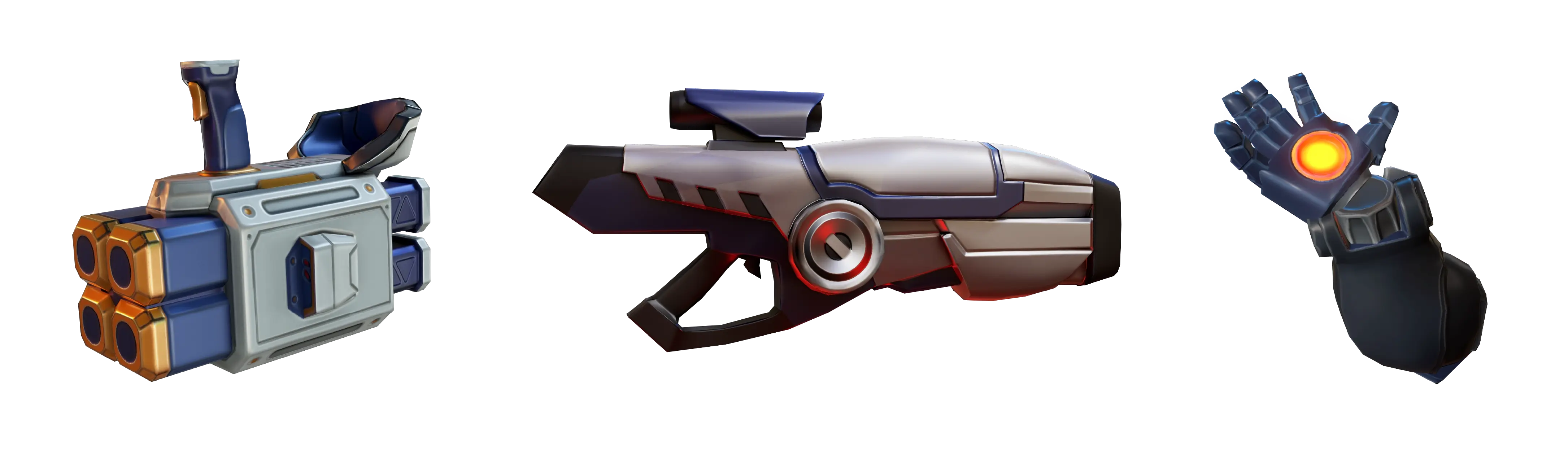
The player can choose between Joe Butcher, Skyler and Keliot, and can even switch characters while playing.
More importantly, they are mechanically differentiated.
Butcher is the heavy option. Activate his booster and wins are multiplied by 2×.
Skyler can use her booster to open valuable chests even without keys.
Keliot gets a 100% chance of collecting loot while his booster is active.
And these are not anonymous avatars created only for the feature screen.
Evoplay built a 28-page comic around the characters. In the game's lore, the Star Guardians are a Special Forces team founded in 2777 during humanity's war against the alien Tritons, with Butcher, Skyler and Keliot given separate origins and motivations.
Keliot's story even establishes the larger objective of destroying the Swarm Queen, connecting the narrative directly to the game's eventual boss encounter.
None of this is necessary for a slot to function.
That is precisely why it is interesting.
Evoplay clearly wanted players to recognise characters, not merely symbols.
When the Bonus Becomes a Shooter Mission
The Bonus Game pushes the concept further.
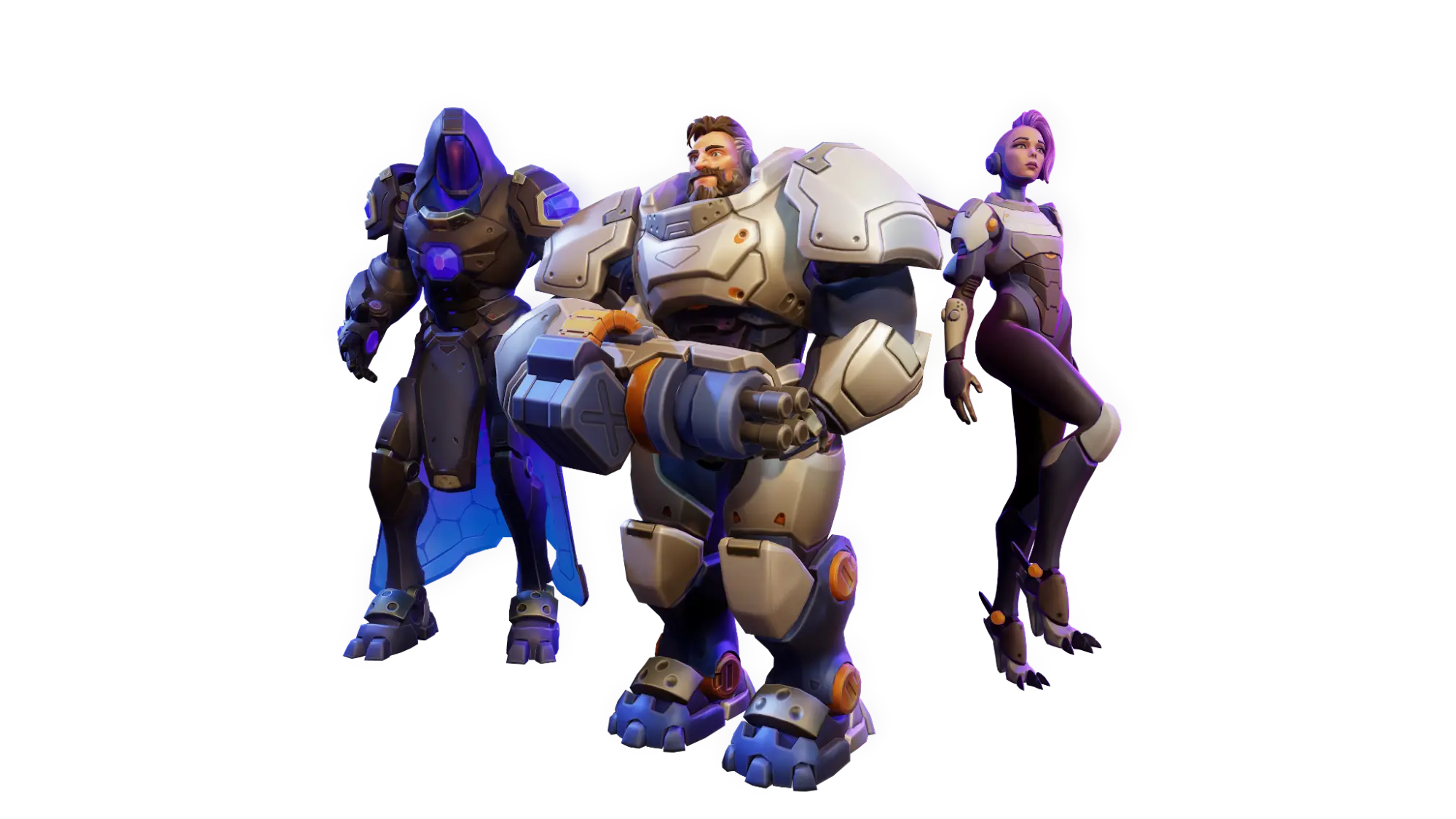
It can trigger randomly during the main game, and only here do Tritons begin dropping ammunition or money.
From the gameplay and rules, the structure begins resembling an arcade encounter.
You fight increasingly large waves of enemies, gather resources and ultimately face the Queen of the Swarm.
Ammunition collected earlier now matters because it feeds into the final confrontation.
That gives the bonus something many free-spin modes lack:
a destination.
You aren't simply watching a counter fall from 10 spins to zero.
You are moving toward a boss.
This is another recurring Post-Reels trait. The strongest experimental slots replace repetition with progression toward an objective.
And Star Guardians makes that objective unusually literal.
There is an enemy at the end.
You have a gun.
Go kill it.
A Lot of Ambition — But Does It Actually Feel Good?
This is where Star Guardians becomes much more complicated.
Conceptually, it may be one of the most interesting slots we have covered.
As an actual third-person action game, however, the comparison becomes far less flattering.
The controls feel uncomfortable.
Movement lacks smoothness. Aiming and shooting can feel stiff. Character movement does not have the responsiveness players expect from even relatively modest standalone shooters.
And the overall production quality often struggles to support the ambition of the idea.
That creates an unusual problem.
A conventional slot can survive mediocre movement because there is no movement.
Star Guardians invites comparison with actual shooters the moment it gives you WASD controls and a crosshair.
Suddenly animation transitions, movement responsiveness, aiming, camera behaviour and environmental polish matter much more.
This may be the price of crossing genres.
Once a slot wants to behave like a video game, we have to start judging whether it is actually a good video game.
And on that standard, Star Guardians feels rough.
The idea is considerably stronger than the execution.
Does Player Skill Actually Matter?
There is another important distinction.
Star Guardians clearly gives the player agency.
That doesn't automatically mean it gives the player control over the gambling mathematics.
You decide where to walk.
You decide where to aim.
You decide when to shoot.
But that is different from proving that a more skilled shooter receives a higher expected return than a less skilled one.
The product material we reviewed establishes manual control, but it does not establish that superior shooter skill changes the game's underlying RTP.
That distinction is important.
Star Guardians introduces mechanical agency without necessarily replacing the underlying gambling system with a true skill game.
You are controlling the experience.
The mathematics may still be controlling you.
And that makes the game considerably more interesting than simply calling it a “shooter slot.”
More Than a Game Release
Evoplay clearly put unusual effort behind Star Guardians.
The comic alone is evidence of that, but the wider campaign went much further.
There were detailed character stories.
A comic.
An artbook.
Dedicated promotional assets.
A tournament.
Extensive marketing around the game's attempt to merge two forms of entertainment.
Whatever we think about the finished product, this wasn't a provider adding a shooter-themed bonus because it needed another monthly release.
Someone clearly wanted this thing to exist.
You can feel that ambition throughout the project.
Unfortunately, putting heart into an experiment doesn't guarantee that the experiment will be polished.
What Is Star Guardians Becoming?
A slot?
A shooter?
An action game with wagers attached?
This time, the answer is much harder than with our previous Post-Reels titles.
Concrete Cowboys still clearly presents a gambling grid.
Chomplings replaces combinations with autonomous creature behaviour but keeps the player mostly as spectator.
Eldritch Dungeon gives the session the structure of an RPG run but still automates most of the action.
Star Guardians removes even that distance.
You are the character.
Or at least, you control one.
That moves it unusually close to conventional video-game interaction.
But there is an irony here.
The more successfully Star Guardians escapes slot conventions, the more obvious its weaknesses as an action game become.
Experimental design creates new possibilities.
It also creates new expectations.
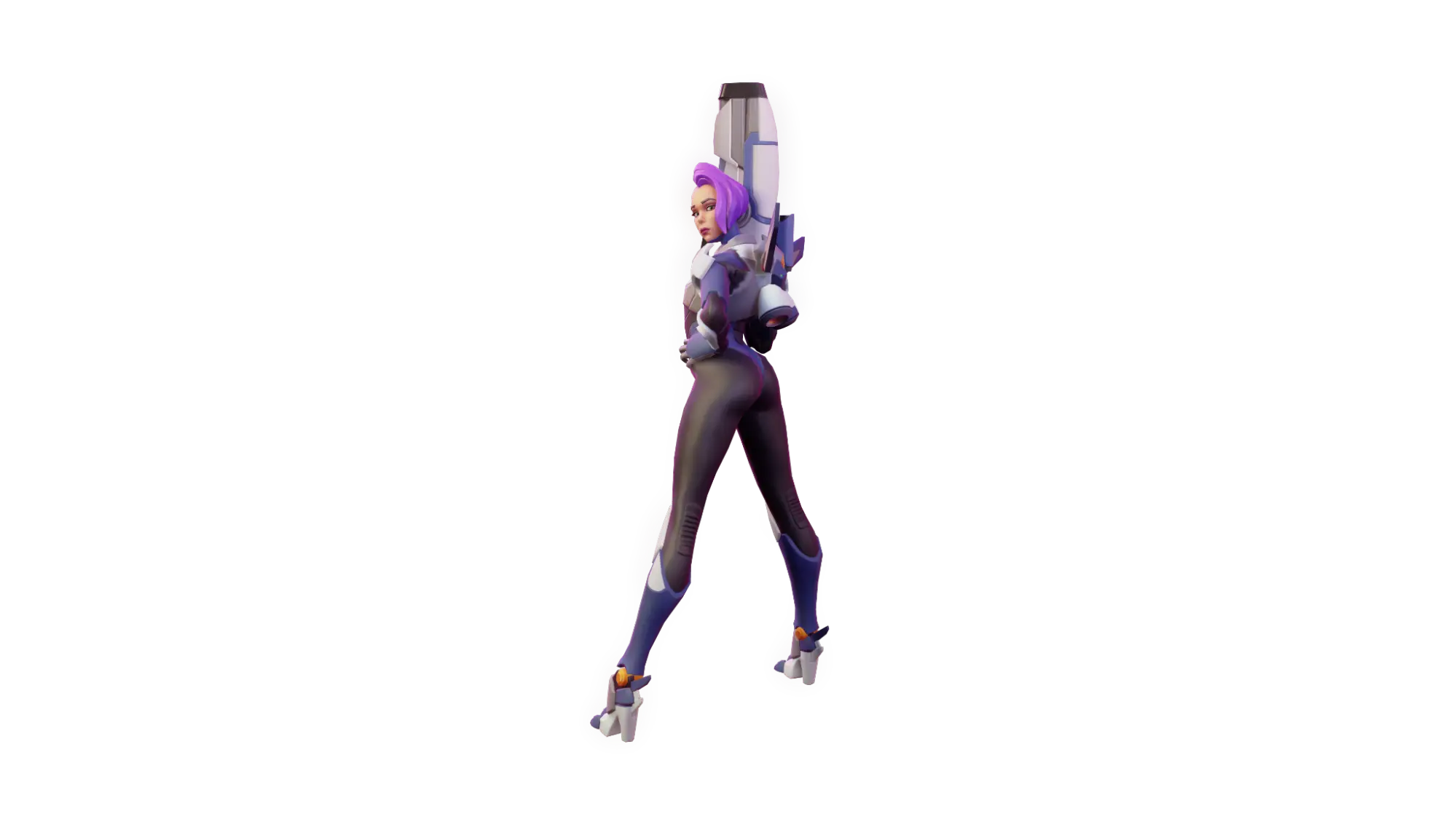
Is Star Guardians Still a Slot?
Technically?
Yes.
Evoplay itself categorises Star Guardians as a 3D slot, with a 96% RTP, wagers and gambling outcomes.
Experientially?
This may be the hardest yes in Post-Reels so far.
The reels aren't merely transformed.
They're practically absent from the player's experience.
You choose a hero.
You enter a 3D environment.
You move manually.
You aim.
You shoot.
You collect resources.
You fight waves of enemies.
You face a boss.
At some point, describing this simply as “a slot with innovative mechanics” stops being particularly useful.
Star Guardians feels more like a primitive third-person shooter built around slot mathematics.
And that is simultaneously its greatest achievement and its biggest weakness.
As a slot experiment, it is fascinating.
As a shooter, it is clumsy.
But Post-Reels exists precisely for games willing to create that problem.
Post-Reels Verdict
Mechanical Innovation: 10/10
Execution: 6.5/10
Post-Reel Factor: 10/10
Overall: 7.5/10
Star Guardians may be the purest Post-Reels game we have reviewed so far.
Evoplay didn't simply borrow shooter imagery or animate a character firing at enemies between spins.
It gave the player the character.
It gave them movement.
It gave them a weapon.
It gave them targets.
The basic idea of shooting for gambling wins has older roots, particularly in Asia’s fishing-shooting tradition.
But Star Guardians attempts something more ambitious: turning that casino interaction into something resembling an actual third-person action game.
The problem is that once the slot finally hands you the controller, you discover that the controls aren't particularly good.
And yet Star Guardians remains interesting precisely because it dared to cross that line.
The question is no longer:
When does a slot become a game?
Star Guardians already tried to answer that.
The better question might be:
What happens when the slot becomes a game before it becomes a good one?

Related reading
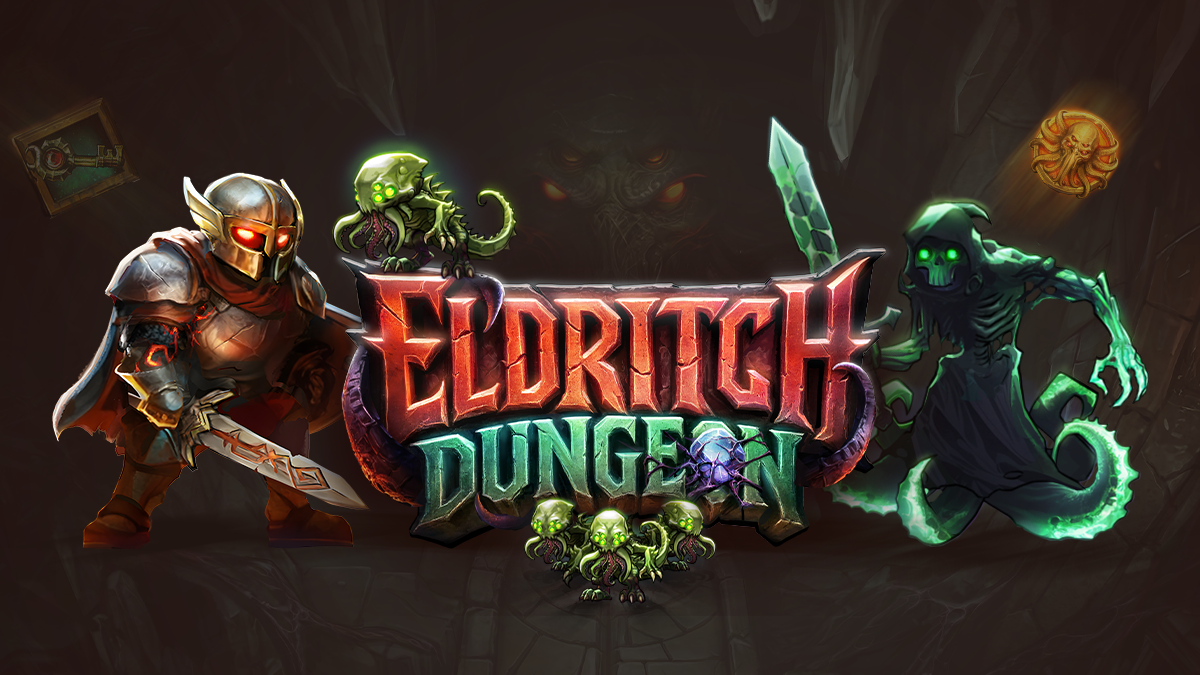
Eldritch Dungeon Slot Review
Eldritch Dungeon is an experimental 8×8 Cluster Pays slot from Print Studios that blends traditional slot mechanics with dungeon-style progression. Players choose a companion, collect Power Relics, battle monsters, gather keys and enter the Treasure Hall, where coins merge across an expanding grid. It feels less like a standard bonus feature and more like a short dungeon run.
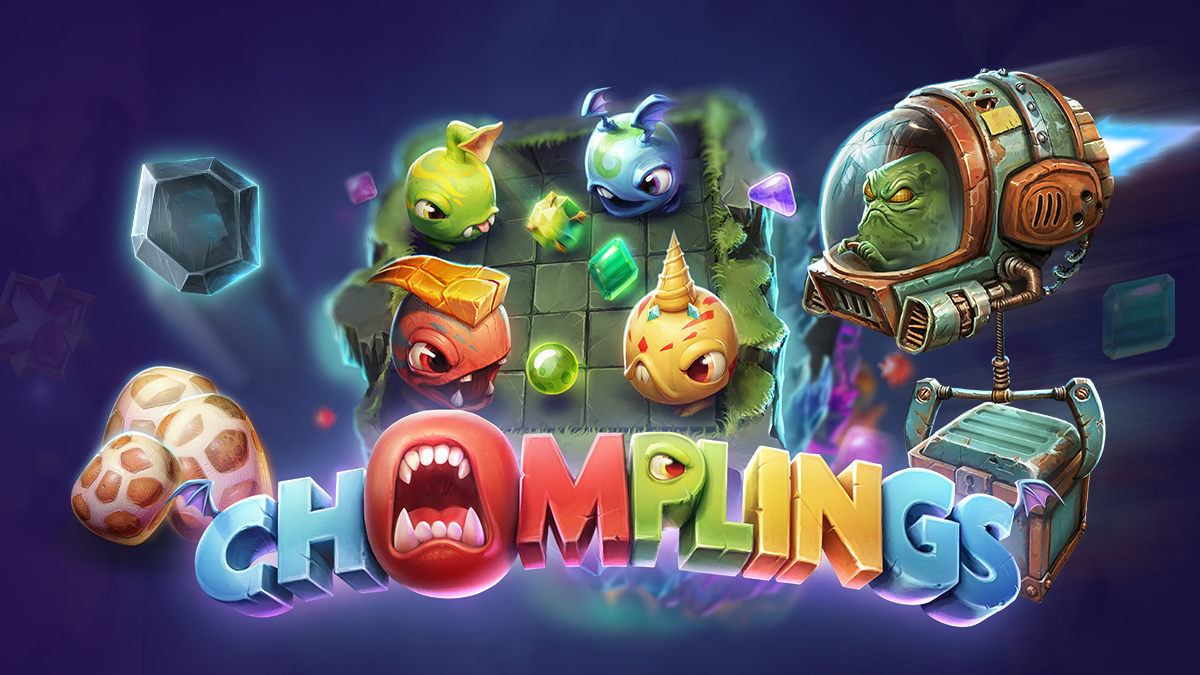
Chomplings Slot Review
Chomplings is an experimental 8×8 slot from Print Studios where four unique creatures roam a dynamic grid, consume gems, break through walls, use special abilities and even devour each other. With shifting regions, wormholes and a progress-based payout system, it feels closer to a self-running game world than a traditional slot.