
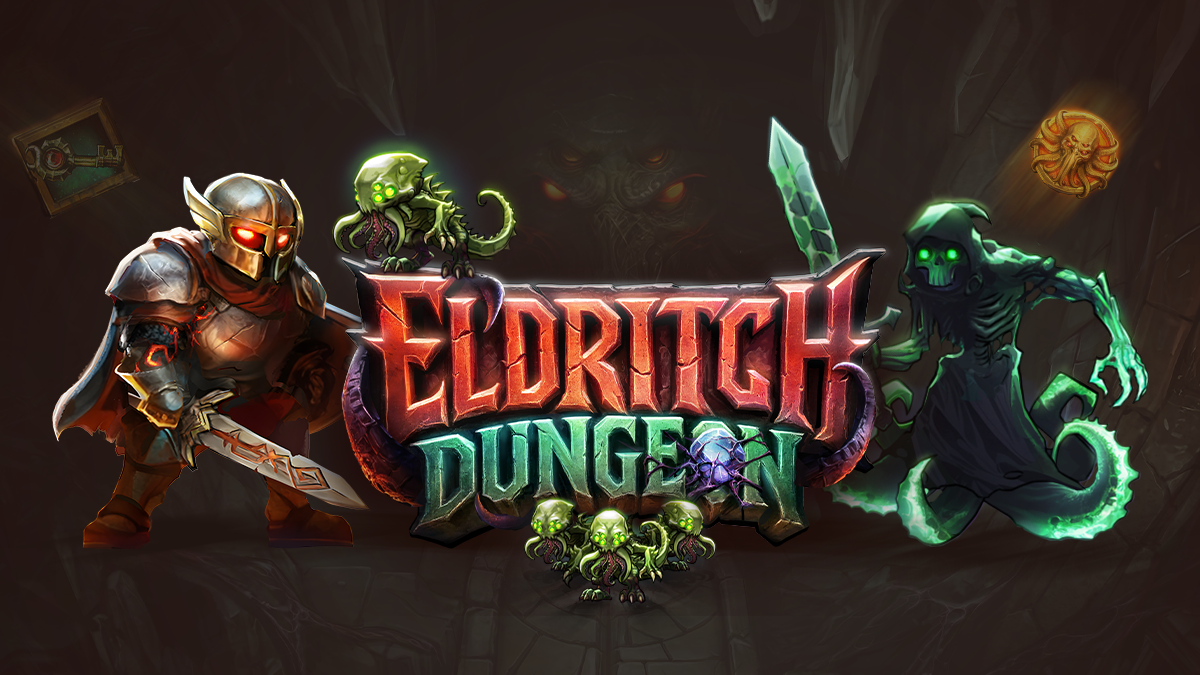

Post-Reels is AffNova’s series about slots that are starting to behave like something else — games that push beyond traditional reels through progression systems, characters, unusual game structures and mechanics borrowed from other genres.
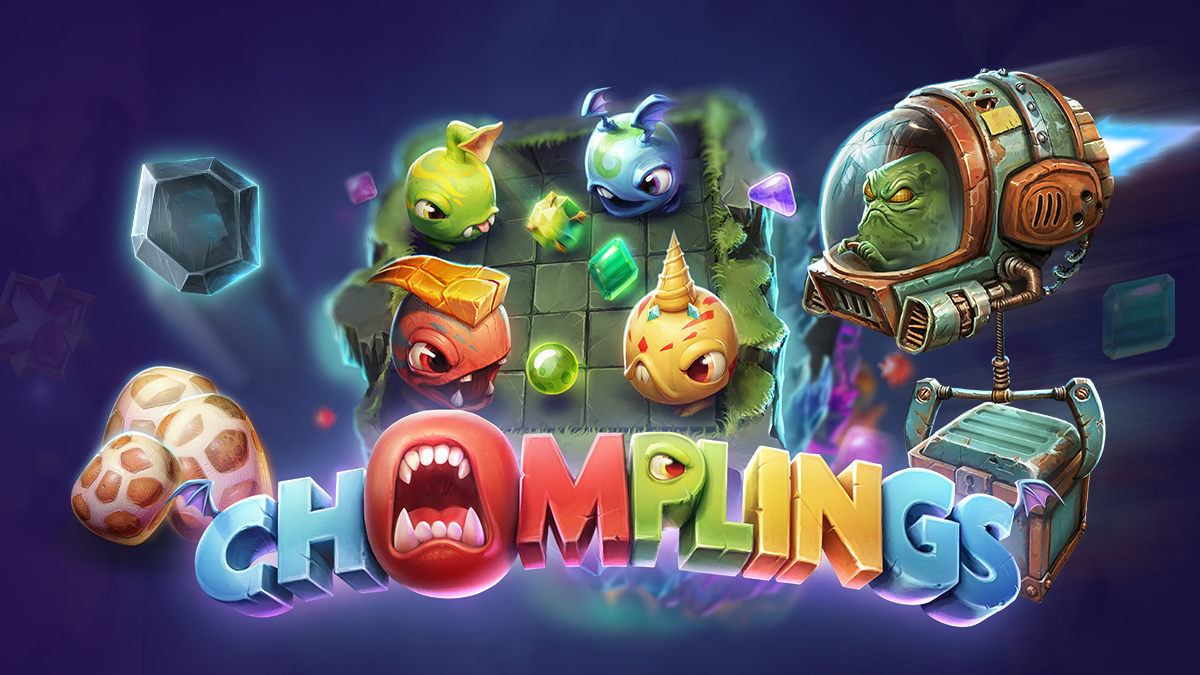
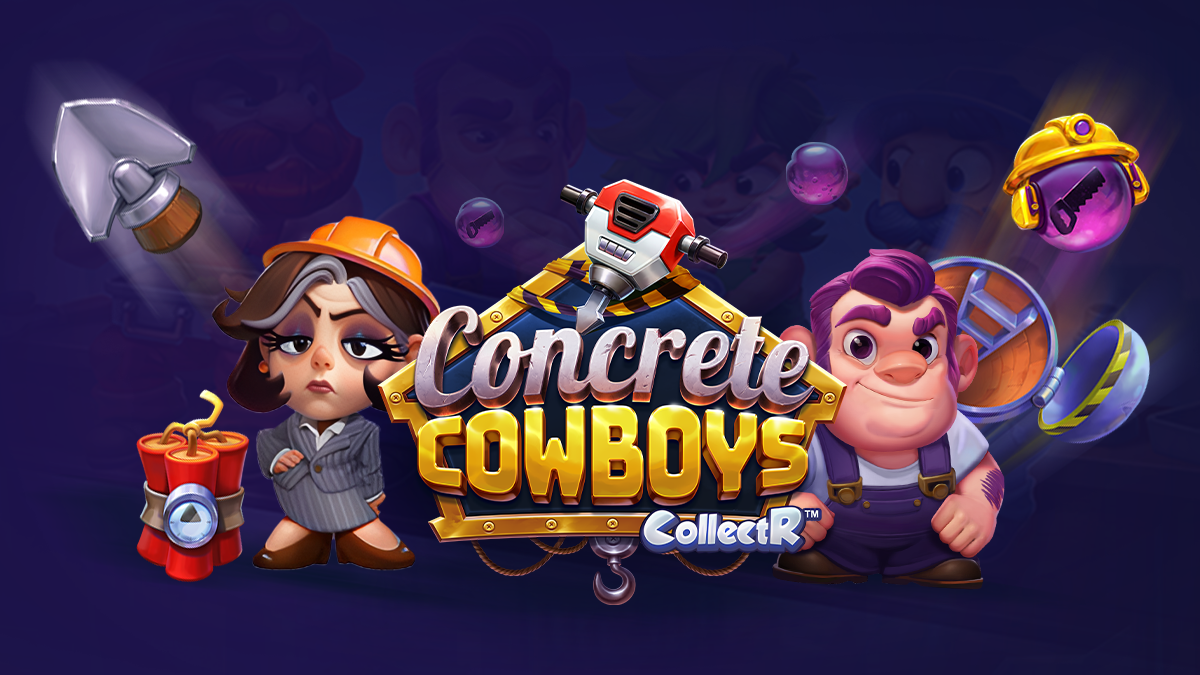
In our Concrete Cowboys review, the grid became a playfield. With Chomplings, it became something closer to a self-running ecosystem.
Eldritch Dungeon by Print Studios pushes in another direction.
Here, you choose a companion, collect relics, improve combat stats, fight monsters, progress through dungeon encounters, collect keys and eventually enter an entirely separate Treasure Hall where coins merge across another 8×8 grid.
The reels are still there.
But increasingly, they feel like only one part of a much larger run.
So once again:
Is this still a slot?
Eldritch Dungeon: Quick Facts
Feature | Details |
Provider | Print Studios |
Distribution | Relax Gaming / Silver Bullet |
Release | July 31, 2024 |
Grid | 8×8 |
Payout | Cluster Pays |
RTP | 96.10% |
Bonus RTP | 96.14%–97.21% |
Volatility | 10/10 |
Max Win | 20,000× |
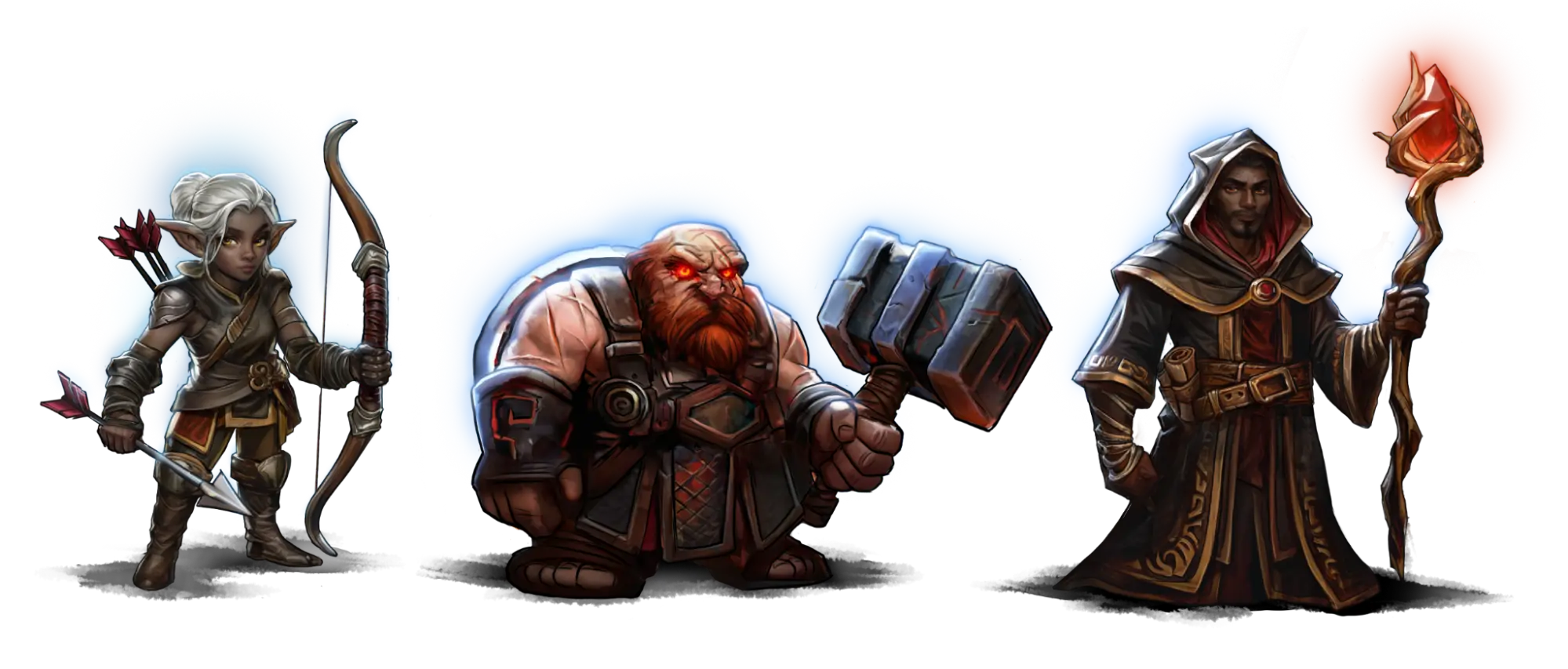
Companions | Arcanist, Ranger, Mauler |
Main Systems | Power Relics, Battle Bonus, Keys, Treasure Hall |
The official game sheet confirms the 8×8 Cluster Pays structure, 96.10% RTP, maximum volatility and 20,000× win potential. It also notes that hit frequency, bonus frequency and several other statistical values vary depending on the active companion.
For the developer’s complete game overview, see Eldritch Dungeon at Print Studios.
Choosing a Companion Instead of Just Spinning
Eldritch Dungeon begins with something already unusual for a slot:
a companion matters.
The three available characters are Arcanist, Ranger and Mauler. You begin with Arcanist and unlock the others through progression. Each comes with its own abilities and changes how the combat sequences are presented.
This does not suddenly turn Eldritch Dungeon into a traditional RPG where the player controls every action.
But it does create something important:
identity within the run.
You are no longer simply triggering the same feature with another skin. The companion becomes part of how the game presents combat and progression.
And this is where Eldritch Dungeon starts moving away from normal slot logic.
The companion does not change the listed base RTP, but the official game sheet shows different hit frequencies, bonus frequencies, average bonus wins and maximum-win probabilities depending on who is active.
So the choice is not completely cosmetic either.
What Makes Eldritch Dungeon Post-Reel?
The base game is still recognisable.
It uses an 8×8 Cluster Pays grid, and the player still spins for outcomes.
But surrounding that grid is a persistent progression structure.
Power Relics improve four attributes:
Health. Strength. Precision. Defence.
These relics can be collected in the base game or earned through combat, improving the hero’s chances in future Battle Bonus encounters.
That changes the relationship between spins.
In a conventional slot, one spin generally exists to produce the next outcome.
Here, an outcome may also prepare you for something later.
A relic isn't interesting only because of what happens immediately when it lands. It matters because it affects the next stage of the run.
That idea — building power now to improve your position later — is much closer to video-game progression than classic slot design.

When the Bonus Becomes a Dungeon Run
This is where Eldritch Dungeon really separates itself.
The Battle Bonus doesn't feel like a normal free-spins feature with a dungeon theme pasted over it.
You leave the conventional grid and enter an actual encounter.
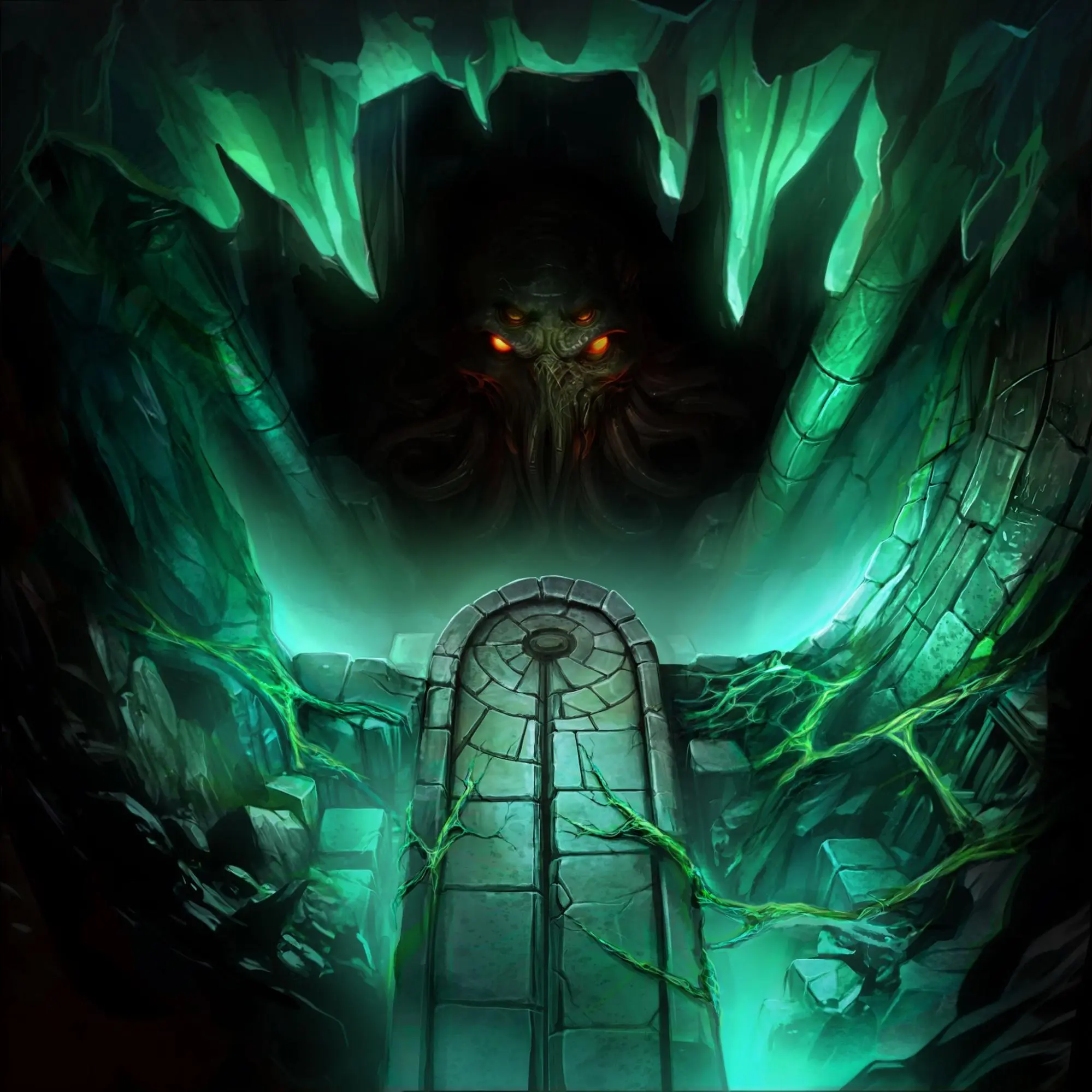
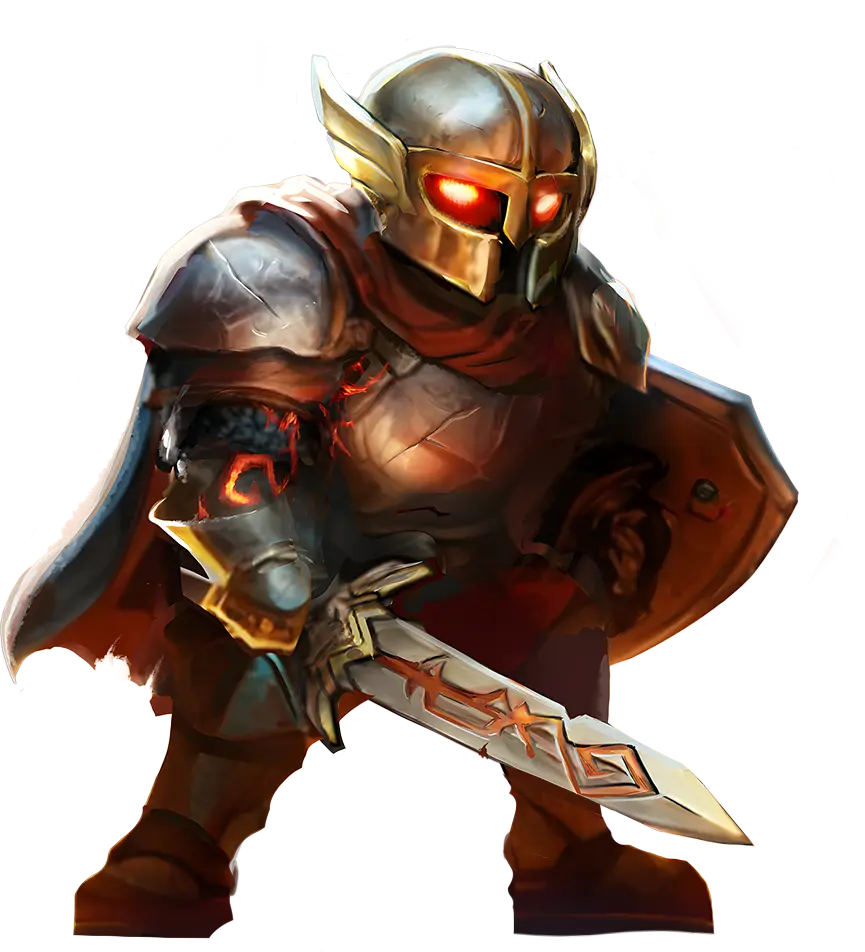
Your companion faces monsters. Battles develop unpredictably, victories push the run forward, and progression ultimately leads toward The Old One, the game’s final major enemy.
The official product sheet describes defeating The Old One as the ultimate challenge. Victory can clear the Coin Grid completely and produce a giant 4×4 coin together with a 2× multiplier on the largest coin.
What matters here is not simply that monsters appear.
There is direction.
You are trying to go somewhere.
The battles exist within a larger progression toward keys, treasure and stronger end states.
This makes the feature feel less like:
“I triggered the bonus.”
and more like:
“My run has reached another encounter.”
That is a surprisingly important psychological difference.
Does the Combat Actually Work?
It could easily have failed.
RPG-style combat inside a slot can become little more than an elaborate animation hiding a predetermined payout.
Eldritch Dungeon manages to avoid feeling that way.
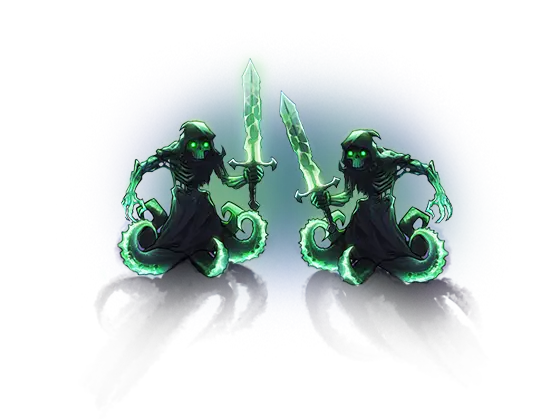
The battles have enough uncertainty that they create genuine tension. Watching your character fight does not feel like watching the same scripted sequence repeat with different win values attached.
You do not know exactly how comfortably an encounter will develop.
The relic system contributes to that feeling because the stats you have accumulated appear connected to your chances of succeeding in these encounters.
It isn't deep tactical combat.
You aren't choosing attacks every turn or managing an inventory.
But the game creates enough uncertainty and progression that the fighting feels like part of the experience rather than decoration around it.
And importantly, the system becomes understandable fairly quickly. After several rounds, the logic of relics, battles and progression stops feeling complicated.
That balance matters.
Eldritch Dungeon introduces more systems than a normal slot without turning every spin into homework.
Treasure Hall: A Game Inside the Game
Then Eldritch Dungeon changes structure again.
Winning the Battle Bonus opens the Treasure Hall.
Instead of continuing the combat, you enter another 8×8 grid — but initially only six positions in the centre are unlocked.
Keys gradually open more spaces.
You begin with three spins, and every coin or key container resets the counter.
Then the coins start merging.
Smaller coins combine into progressively larger squares, transforming the grid as the feature develops.
This genuinely feels like a separate mode rather than the final visual stage of the same bonus.
First there is the slot grid.
Then the dungeon combat.
Then the Treasure Hall.
Each layer has its own visual logic and its own objective.
That layering is one of Eldritch Dungeon’s strongest ideas.
What Is Eldritch Dungeon Becoming?
An RPG?
Not quite.
A roguelike?
Not really.
A dungeon crawler?
Closer.
Print Studios itself has been unusually open about the influences behind the game. In an official Q&A, the studio described its progression tree as reminiscent of Slay the Spire and discussed Baldur’s Gate, Loop Hero and Darkest Dungeon as influences, alongside Lovecraft’s Cthulhu mythos for the setting.
That context makes sense when playing it.
Eldritch Dungeon doesn't reproduce those games mechanically.
Instead, it borrows their language of progression:
choose a character.
Build strength.
Enter encounters.
Defeat enemies.
Collect resources.
Unlock the next stage.
Reach the end of the run.
That is much more significant than simply putting dragons and warriors around a reel set.
The slot has borrowed the structure of an adventure.
Is Eldritch Dungeon Still a Slot?
Technically, unquestionably.
Relax Gaming lists Eldritch Dungeon as a Video Slot using Cluster Pays.
You still wager money.
You still initiate RNG-driven rounds.
You do not manually direct the companion during combat or decide which sword attack comes next.
But experientially, the answer becomes less comfortable.
The clearest break happens during the battle progression toward keys.
At that point, it no longer feels as though you are waiting for a conventional slot feature to pay.
You feel like you are trying to get through something.
That sense of forward movement is what separates Eldritch Dungeon from countless slots containing RPG artwork, experience bars or fantasy characters.
Those games often look like RPGs.
Eldritch Dungeon actually borrows some of the logic of playing one.
Concrete Cowboys turned the grid into a playfield.
Chomplings made that playfield behave like an ecosystem.
Eldritch Dungeon turns the session into a run.
Post-Reels Verdict
Mechanical Innovation: 9/10
Execution: 9/10
Post-Reel Factor: 9.5/10
Overall: 9/10
Eldritch Dungeon succeeds because its experimental mechanics are not fighting against the excitement of the slot.
They create it.
Companion progression, relic upgrades, unpredictable monster battles, key collection and the evolving Treasure Hall continually give the player another objective to move toward.
And despite the number of systems involved, the game rarely becomes exhausting or repetitive.
The most revealing thing about Eldritch Dungeon may be how naturally all of this fits together.
You start by spinning a slot.
A little later, you're wondering whether your companion can survive the next monster.
Then you're hunting keys.
Then you're watching coins merge inside a Treasure Hall.
At some point along the way, the reels stop being the main event.
The run becomes the game.

Related reading
Chomplings Slot Review
Chomplings is an experimental 8×8 slot from Print Studios where four unique creatures roam a dynamic grid, consume gems, break through walls, use special abilities and even devour each other. With shifting regions, wormholes and a progress-based payout system, it feels closer to a self-running game world than a traditional slot.
Concrete Cowboys Slot Review
Concrete Cowboys is an experimental 5×5 building slot from ELK Studios where four color-coded Collectors move through the grid, gather symbols and activate features such as tunnels, upgrades, transformations and dynamite. As the board expands and new minigames appear, the slot starts to feel less like a traditional reel game and more like a moving puzzle system.