
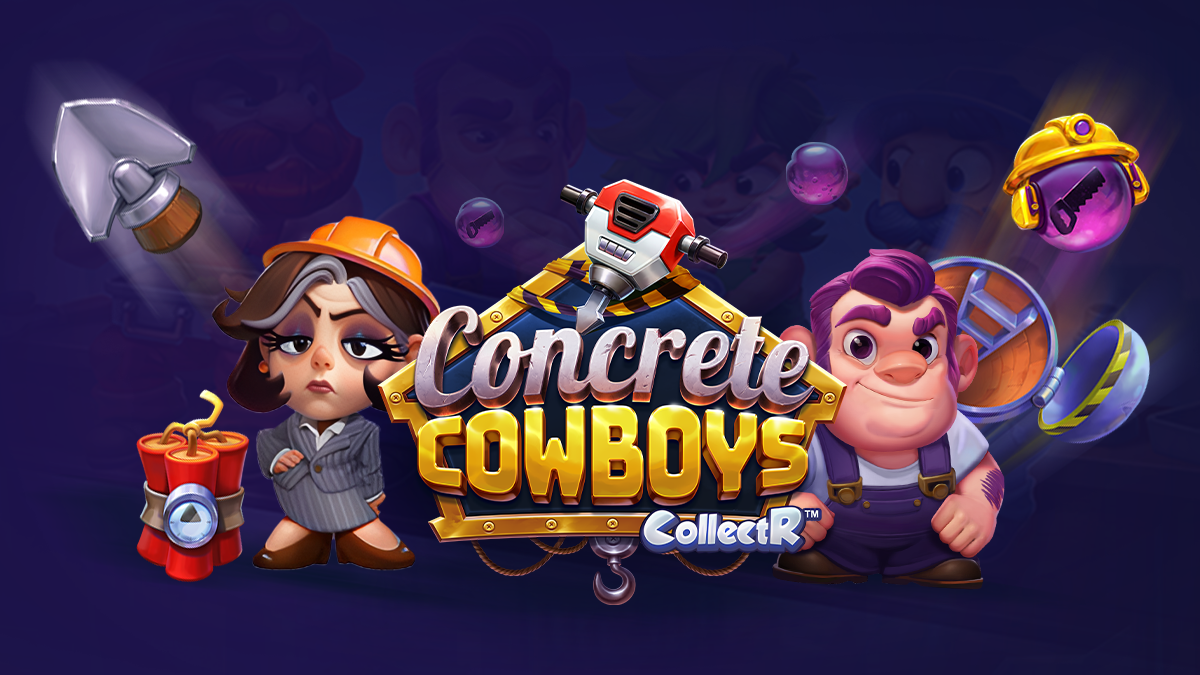

Post-Reels is a new AffNova series about slots that are starting to behave like something else: games that move beyond traditional reels through unusual mechanics, moving characters, progression, minigames and systems borrowed from video games, board games and other genres.
If our War Whores slot review and Disorder slot review ask what a slot is saying, Post-Reels asks something different:
What is a slot becoming?
And every review ends with the same question:
Is this still a slot?
For the first entry, we start with a studio that has made experimentation part of its identity.
ELK Studios has repeatedly played with grids, moving characters and mechanics that stretch beyond conventional slot structures. The Pirots series is probably the clearest example: characters travel through the playfield collecting matching symbols and activating features rather than simply waiting for paylines to form. You can see the original CollectR™ concept on ELK Studios' official Pirots page.
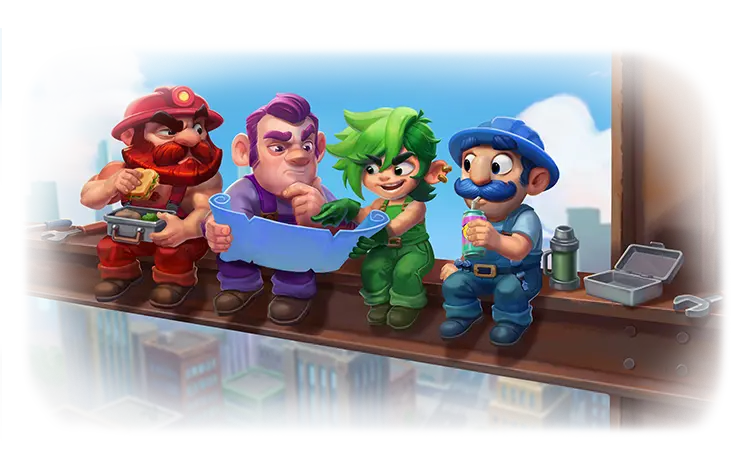
Concrete Cowboys takes that philosophy and pushes it in another direction. Construction workers move through the grid, symbols transform, tunnels relocate characters, dynamite destroys paths, the playing area expands and entire minigames temporarily replace the normal slot structure.
So how far can all of this go before we stop calling it a slot?
Concrete Cowboys: Quick Facts
Feature | Details |
Provider | ELK Studios |
Starting Grid | 5×5 |
Main Mechanic | Collectors moving through matching gems |
Volatility | 7/10 |
Hit Frequency | 24.7% |
Max Win | 10,000× bet |
Main Features | Grid Expansion, Tunnel, Transform, Upgrade, Dynamite |
Minigames | Employee of the Month, Building Time, Heaven |
Bonus | 5 drops at the current grid size |
The specifications and mechanics above come from ELK Studios' official Concrete Cowboys product sheet.
For the developer's full game description and playable information, see the official Concrete Cowboys page at ELK Studios.
Building a Slot Instead of Spinning One
Concrete Cowboys begins on a 5×5 grid, but calling it a grid almost undersells what ELK is doing with it.
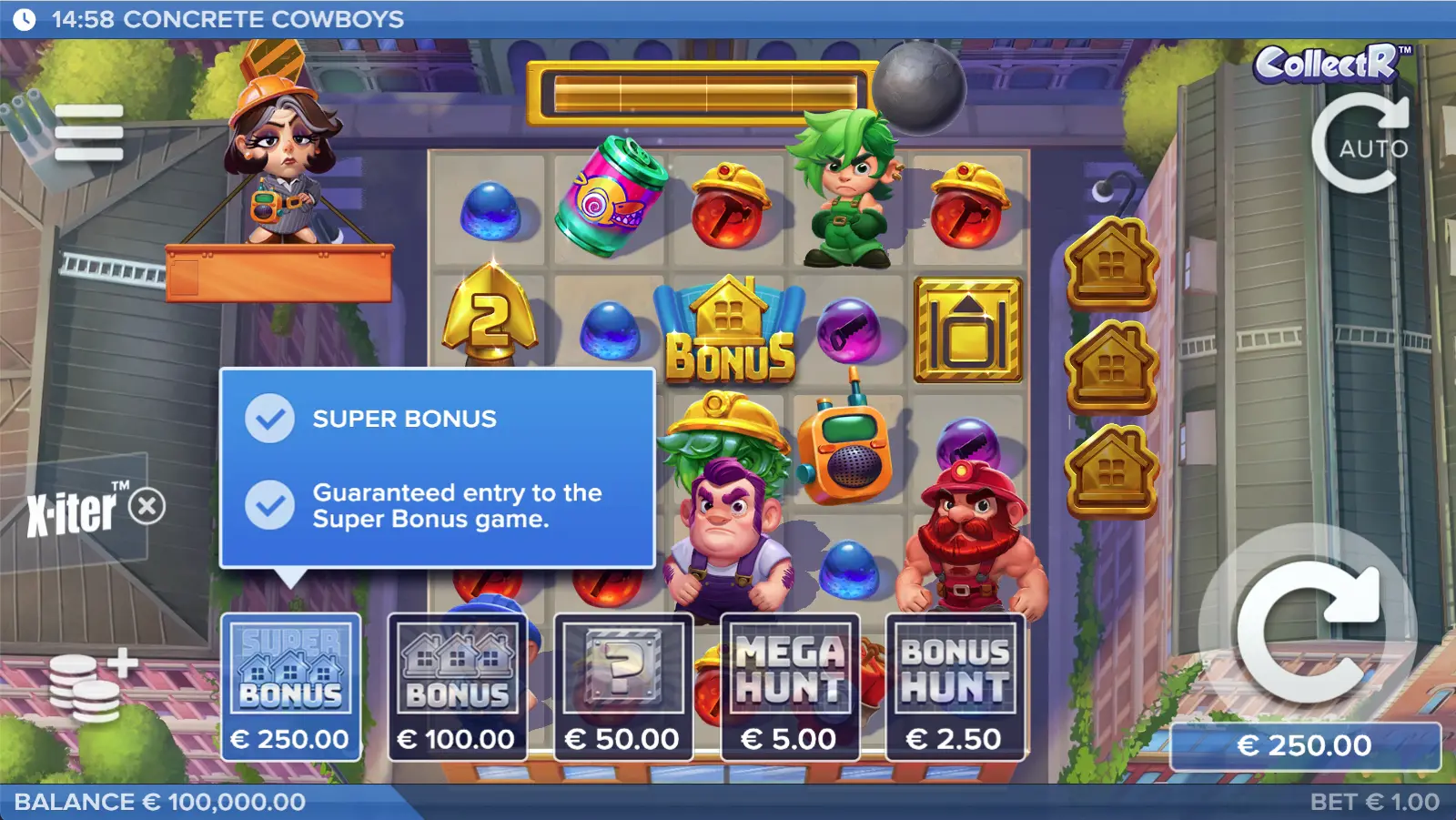
Four color-coded Collectors move horizontally and vertically through matching gems, collecting paying symbols and any feature symbols they encounter.
From there, the board starts behaving less like a traditional reel set and more like a small spatial system.
A Tunnel can transport a Collector to another cluster of its color. Transform changes adjacent clusters into the Collector's color. Upgrade increases gem payout levels. Dynamite blasts through symbols in a direction and can even kill Collectors.
Then there is Level Up, which expands the playing area by one row and one column before the symbols drop again.
ELK calls Concrete Cowboys a “building slot,” and that description is more revealing than it initially sounds.
The grid isn't merely displaying results anymore.
Things have positions, directions, paths and relationships.

What Makes Concrete Cowboys Post-Reel?
Traditional slots primarily ask:
What symbols landed?
Concrete Cowboys repeatedly introduces another question:
Where did they land, and what can reach them?
A Collector needs access to matching gems. Dynamite has direction. Transform depends on adjacency. Tunnels change position. Level Up alters the size of the environment itself.
This is the language of puzzle and strategy games being applied to slot mathematics.
The reels haven't simply been decorated with elaborate animation.
They have effectively become a playfield.
But there is an important catch.
You aren't actually controlling it.
You don't choose where a Collector moves. You don't decide when to use Dynamite. You don't select which area Transform should affect.
Concrete Cowboys therefore creates something particularly interesting: the visual grammar of an interactive game without giving the player corresponding strategic control.
That contradiction may be one of the defining characteristics of the post-reel slot.

When the Slot Becomes a Minigame
Concrete Cowboys moves even further away from conventional slot design when its secondary modes appear.
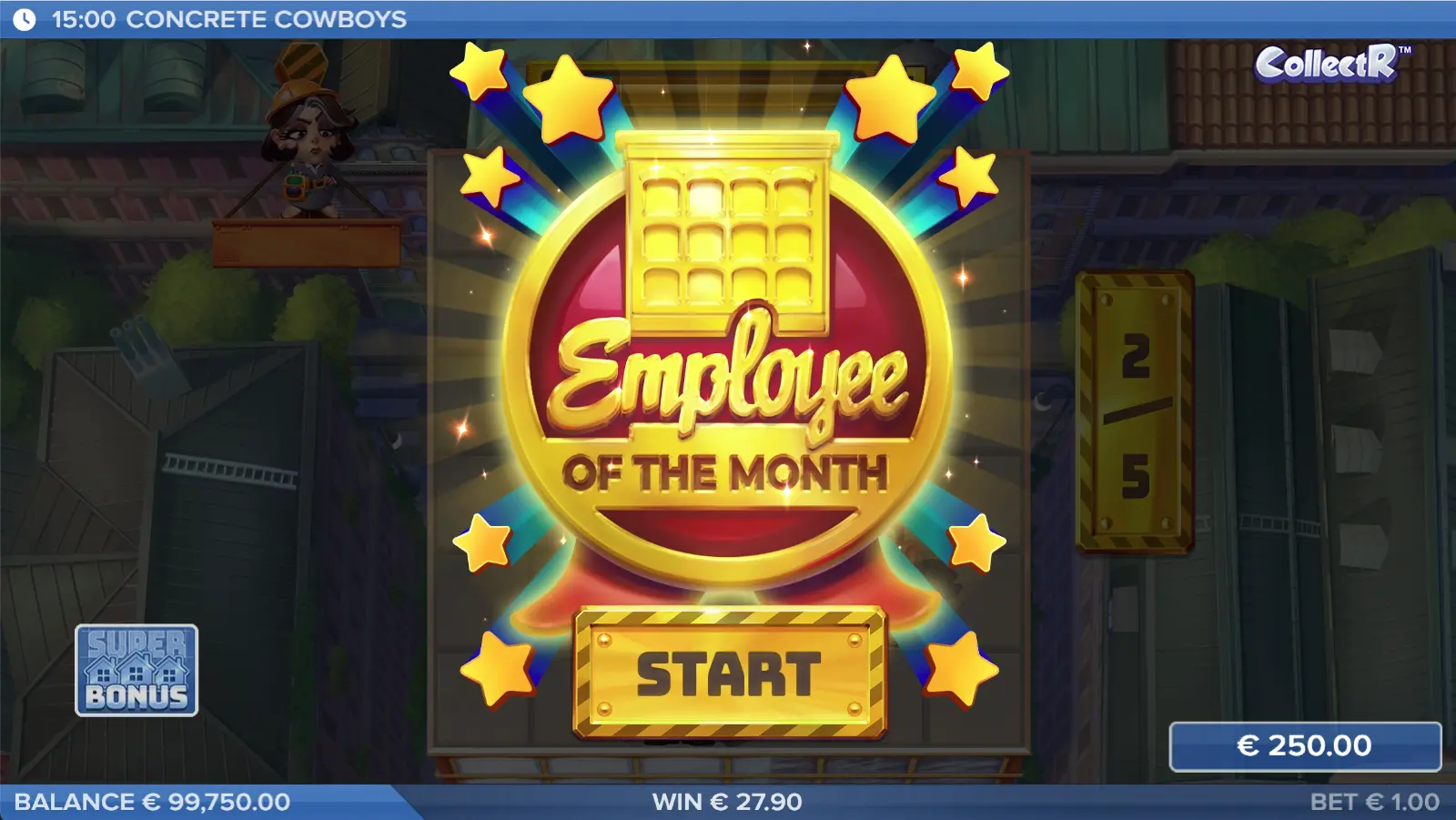
Clear the grid of paying symbols and Employee of the Month begins. The Collectors now occupy different floors of a building, while ladders allow them to climb toward coin values.
For a moment, it looks less like a slot bonus and more like a tiny board or arcade game.
Building Time changes the structure again. Completing rows increases the multiplier, turning construction itself into the visual logic of the feature.
Then there is Heaven.
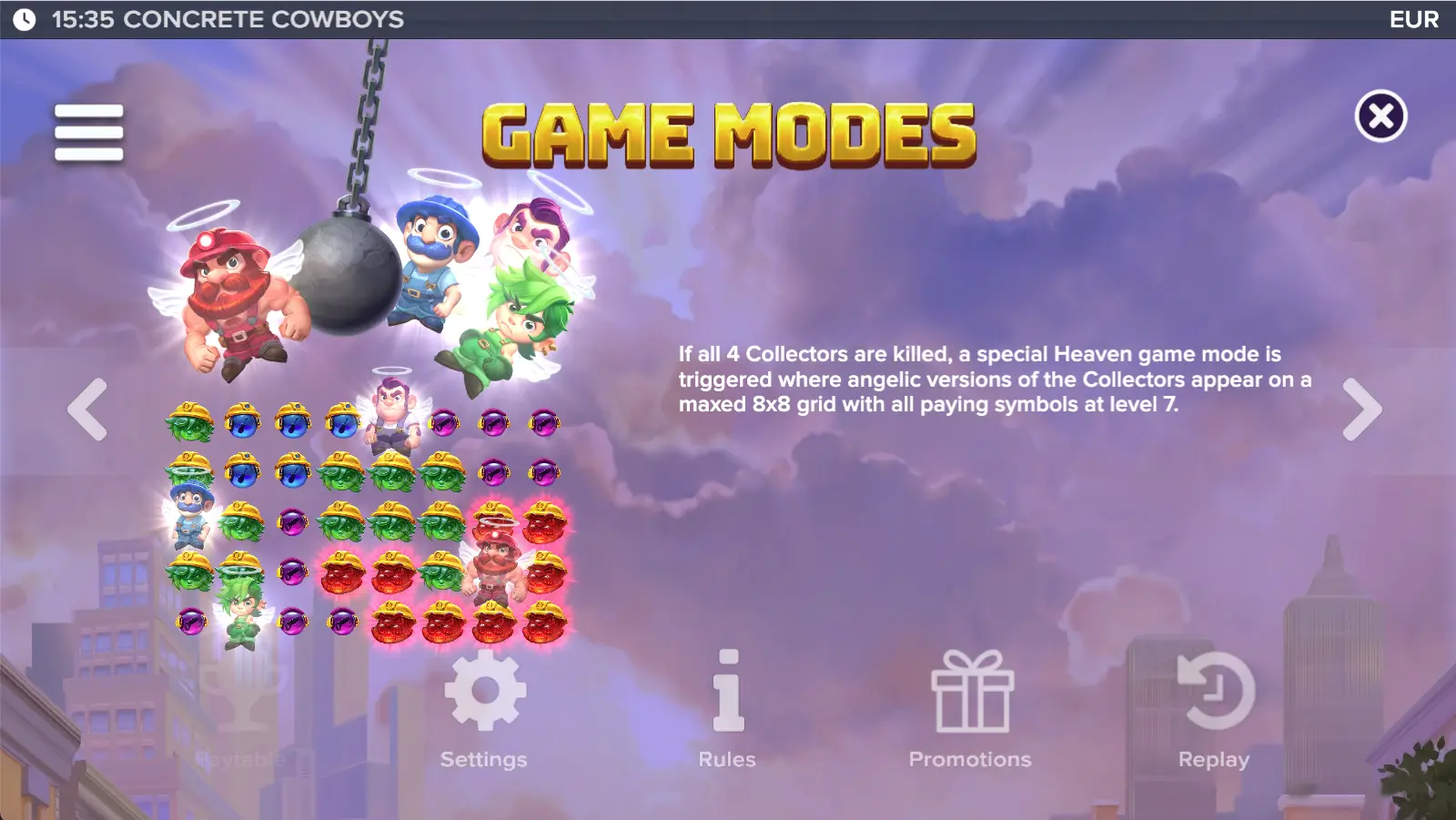
Kill all four Collectors and angelic versions return on a fully expanded 8×8 grid, with the paying symbols upgraded to maximum level.
These aren't simply different backgrounds for free spins.
The game keeps asking the player to understand new spaces with new rules.
Five Drops, One Big Moment?
Visually, Concrete Cowboys is excellent.
The character animation is polished, the Collectors have personality, and when several mechanics begin interacting at once the screen can become genuinely chaotic in the best way.
The weakness is the rhythm of the Bonus.
Three Bonus symbols trigger five drops at the current grid size.
Five drops sounds like five opportunities for the machinery to explode into action.
In practice, however, the feature can sometimes feel strangely concentrated around a single meaningful drop.
Several drops may pass without much consequence. Then one sequence suddenly activates everything: Collectors move, features trigger, the board transforms and payouts begin building.
That one drop can be extremely entertaining.
But it can also make the whole sequence feel somewhat scripted, without suggesting that it literally is.
The problem is really one of rhythm.
Sometimes five bonus drops feel less like five separate opportunities and more like one major event surrounded by four quieter steps.
What Is Concrete Cowboys Becoming?
A puzzle game?
A board game?
An arcade game?
Not quite.
Concrete Cowboys borrows pieces from all of them without fully becoming any of them.
Its closest relative is probably ELK's own Pirots family. Both turn characters into moving agents within the grid and make collection dependent on spatial relationships.
But Concrete Cowboys broadens the idea.
Characters can die and be replaced. The grid expands. Objects explode. Colors transform. Entire minigames emerge when particular board states are reached.
The important development isn't simply that ELK has added more features.
The slot is becoming a system.
And that is exactly where Post-Reels becomes interesting.
Is Concrete Cowboys Still a Slot?
Yes.
But perhaps mainly because the player remains outside the system.
Concrete Cowboys increasingly looks like a game you could control, yet almost every meaningful action is still decided for you.
The player chooses the stake and initiates the round. After that, movement, destruction, transformation and progression unfold through the game's underlying mechanics.
Imagine one small change.
What if you could choose which direction a Collector moved?
Where to place Dynamite?
Which cluster to transform?
At that point the boundary would become considerably harder to define.
For now, Concrete Cowboys remains a slot.
But it is a slot that has already abandoned much of the visual language traditionally associated with reels.
The reels are disappearing.
The playfield is taking their place.
Post-Reels Verdict
Mechanical Innovation: 9/10
Execution: 8.5/10
Post-Reel Factor: 9/10
Overall: 8.5/10
Concrete Cowboys isn't experimental simply because it contains a large number of features.
Its real achievement is turning the slot grid into a place where objects move, interact, disappear, transform and alter the environment around them.
It still doesn't let you play that system yourself.
Maybe that is the next step.

Related reading
War Whores Slot Review: War Becomes Entertainment
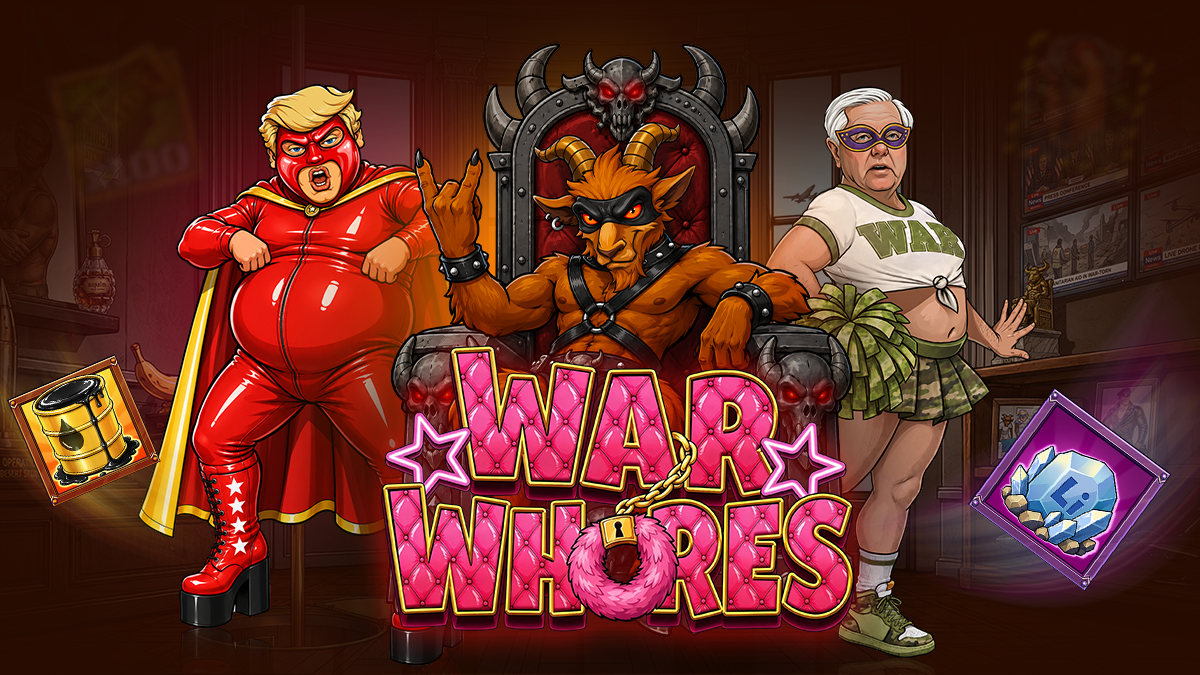
The upcoming War Whores slot from Wicked Games turns geopolitics into a dirty entertainment machine: oil and lithium become premium symbols, bombers and nukes build value, politicians become masked performers, and the Situation Room looks suspiciously like a war-themed adult website. We explore its military references, Gulf War imagery, media satire, internet memes and “militainment” — and ask whether its refusal to take any side makes the satire sharper or simply more cynical.
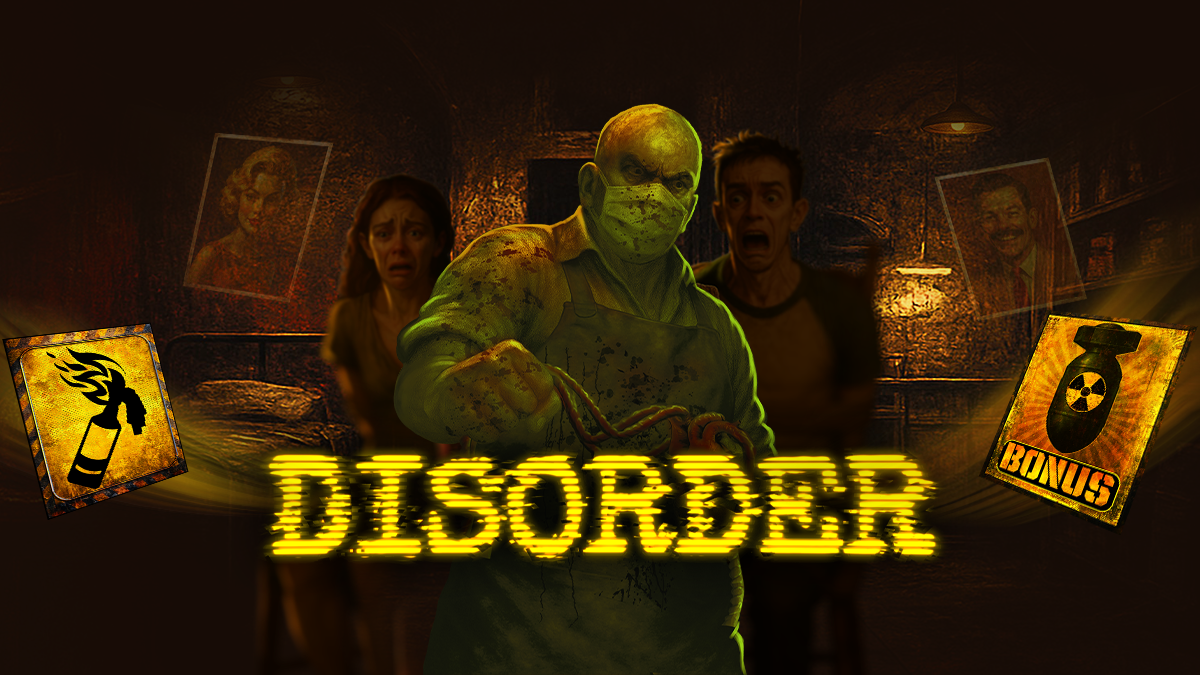
Disorder Slot Review: The State of Emergency Comes Home
A picture-perfect Cold War family retreats into a bunker for safety, only to watch John, the family father, become increasingly unstable as the game progresses. We explore the nuclear anxiety, psychiatric imagery, state-of-emergency themes and Mental series connections behind the slot - and how Nolimit City shows order collapsing into disorder until the difference between the two almost disappears, turning mental breakdown into mechanics, visual deterioration and one of its darkest family nightmares.