
Analysis from the Racing Post has confirmed what many in the industry may have been expecting: horse racing sponsorship has declined notably in 2026 so far.
A sponsorship shift in the UK gambling scene was noticed almost immediately after the increases in Remote Gaming Duty (RGD) from 21% to 40% and General Betting Duty (GBD) from 15% to 25% were announced in ex-Chancellor Rachel Reeves’ 2025 Autumn Budget.
The rise in RGD was implemented in April 2026, while the GBD increase will be effective from April 2027.
This will have played a major role in bookmaker sponsorship within horse racing dropping by a whopping 17% year-on-year.
There has been a clear decrease in bookmakers’ sponsorships of races valued under £10,000 – falling from 37.3% from 1 January-28 September 2025 to 29% during the period 1 January-28 September 2026.
Races valued between £10,000-£20,000 saw a 3.7% decline YoY to 27.3%, while bookies still have a stranglehold over the sponsorships of higher-valued races – £50,000-£100,000 races actually experienced a 3.6% rise to 48.6%, and the biggest races on the sporting calendar, valued at more than £100,000 only saw a 1% dip to 47.3%.
All-weather races take big hit
This lines up with the statistics on bookmakers’ shares of the three formats of British horse racing – all-weather races, flat turf races and jumps races.
The latter two – generally considered more popular and prestigious than all-weather races – saw a drop of 5.5% and a rise of 0.1% respectively. All-weather races, meanwhile, experienced a colossal dip from 73.3% to 58.2%.
This ties in well with the aforementioned sponsorship shift, whereby a wide range of operators with a UK focus have moved their attention away from horse racing and towards the more popular UK sport of football.
It’s not just been horse racing suffering, though – Betfred recently withdrew its headline sponsorship of rugby league’s Super League, for example.
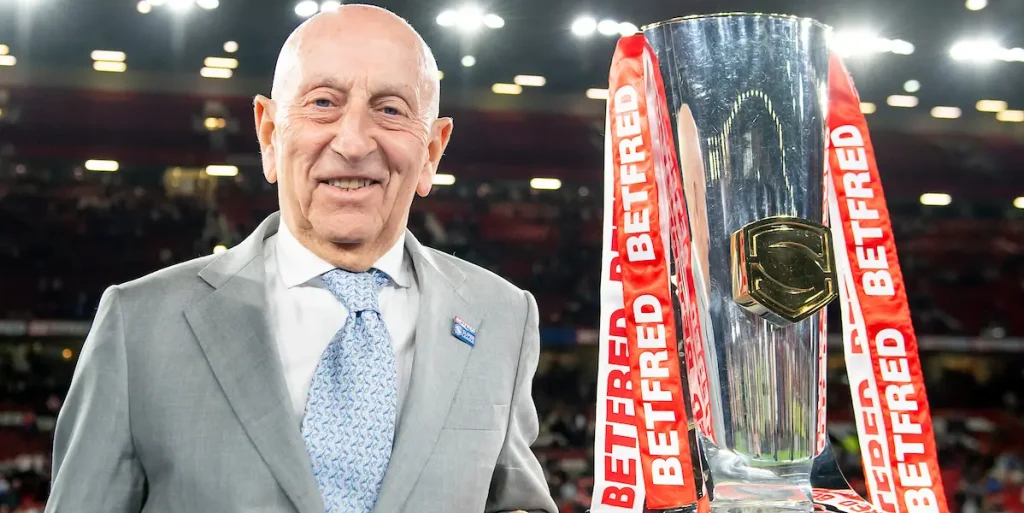
Horse racing looks to have taken the brunt of this, however, with the Racing Post noting that tier-one operators bet365, Betfred and Flutter Entertainment have dropped their contribution to British horse races via sponsorship deals by over 15% each.
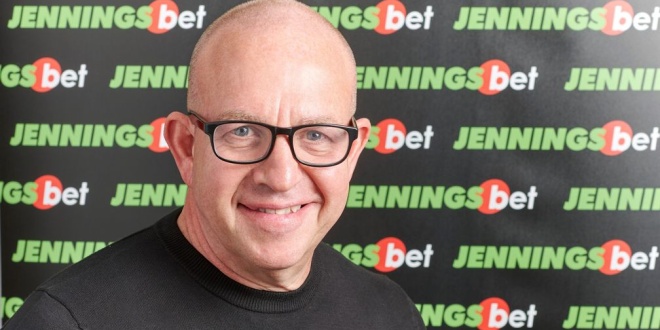
JenningsBet, whose Chief Executive Officer, Greg Knight, has mounted a vocal opposition against another potential incoming gambling tax increase – Machine Games Duty (MGD) – has pulled back to the tune of 33%, while Star Sports and BetGoodwin’s marketing spend in the sport plummeted by over 80% YoY.
Tax rises of such major impact were bound to trigger the commonly-touted “cost-cutting measures” which have been cited in the financial reports of a plethora of UK operators. Within this, marketing spend was always likely to be one of the first costs to give.
But it seems operators are being savvy, and maybe more selective, in distributing the remaining marketing funds, which has led to this decrease in gambling sponsorship deals for lesser-valued UK races.
There has, however, been a few major examples of marketing cuts for companies in horse racing – one of these being Coral withdrawing its 52-year sponsorship of the Coral Cup at the Cheltenham Festival, and another being bet365 cutting its sponsorships of both the July meeting and Craven meeting at Newmarket, as well as the Old Newton Cup and the Lancashire Oaks at Haydock.
Horse racing continues to attempt to mitigate challenges
With the horse racing community worried about the future of the sport, not just due to tax rises, but also because of the lack of attraction gained from a young audience and the rise of the black market, among other factors, the statistics provide little respite for those close to and within the industry.
There are clear attempts to breathe new life into what was once Britain’s most popular sport, though, with Racecourse Media Group just this week appointing former CNN executive Andrew Demaria as its first-ever Chief Content Officer, with the remit of driving audience engagement and commercial performance.
But then there is the looming – and perhaps likely – threat of yet another tax increase with the rumoured doubling of MGD – one which Betfred Founder, Fred Done, has already admitted will result in Betfred curtailing its sponsorship of the British Classics should it be implemented.
For horse racing now, however, focus has to be on consistent, coherent lobbying against what could be another massively damaging tax rise, alongside strategic focus on the commercial growth of the sport as it continues to find itself burdened with further headwinds due to its symbiotic relationship with the gambling industry.